
Why Working With a Local Montana Real Estate Broker Changes Everything
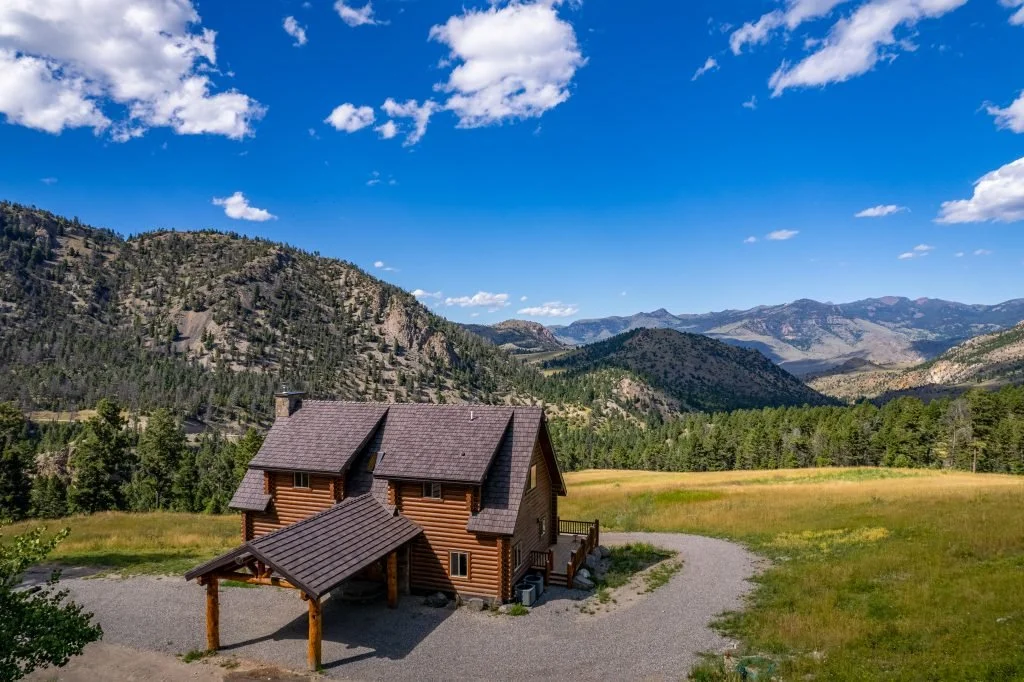
Remote Property in Cinnabar Basin facing the Absaroka Mountain Range
There is no shortage of ways to search for property in Montana. Listing platforms, online search tools, and national brokerage websites make it easy to browse acreage from a laptop anywhere in the country. But browsing and buying are two very different things, and in Montana the gap between what a listing says and what a property actually is can be significant.
Montana real estate is not like real estate in most other states. The land is more complex, the regulations are more nuanced, and the details that make or break a purchase often do not show up in photos, descriptions, or data fields. A local broker who knows the terrain, the community, and the process is not a luxury. It is the single most practical advantage a buyer or seller can have.
What to know upfront: Montana properties involve unique considerations like water rights, easements, seasonal access, and county-specific zoning that vary dramatically from one valley to the next. A broker with local knowledge catches problems before they become expensive and identifies opportunities that never make it to a public listing.
What Makes Montana Real Estate Different From Other Markets?
Montana's real estate landscape is shaped by factors that simply do not exist in most states. Water rights are separate from land ownership. Access easements can determine whether a property is usable or landlocked. Open range laws affect fencing obligations. Seasonal road conditions can make a property accessible eight months of the year and unreachable for four.
County regulations vary widely, and what is permitted in Park County may not be permitted in Gallatin County even though they share a border. Subdivision rules, septic requirements, floodplain designations, and building setbacks all differ depending on where the property sits.
National platforms and AI search tools treat every listing the same way regardless of where it is located. They can show you price per acre and square footage, but they cannot tell you that the south-facing slope on a particular parcel drifts shut in January, or that the well on the neighboring property went dry two summers ago. That kind of knowledge only comes from someone who lives and works in the area.
What Can a Local Broker See That an Online Platform Cannot?
A local broker sees what the listing does not say. Every experienced Montana broker has walked a property that looked perfect online and discovered something that changed the entire picture once they were on the ground. A creek that floods its banks every spring. An access road that turns to impassable mud in April. A boundary fence that does not match the legal survey. A neighboring operation that creates noise, dust, or odor the listing photos carefully avoided.
Beyond the physical property, a local broker understands the context around it. They know whether a nearby ranch is likely to subdivide. They know which areas are popular with outfitters during hunting season and what that means for privacy. They know whether the county has plans for road improvements or whether a timber sale on adjacent forest service land could change the character of the area.
This kind of information is not available on any website. It comes from years of working in a specific area, attending county meetings, talking to neighbors, and paying attention to the patterns that shape property values over time.
How Does Local Knowledge Protect Buyers From Costly Mistakes?
The most expensive mistakes in Montana real estate are the ones buyers do not see coming. A property purchased without verifying water rights may not support the well or irrigation the buyer planned on. A parcel bought without understanding the access easement may require negotiating with a neighbor every time the owner wants to reach their own land. A building site chosen without consulting the county may turn out to sit in a floodplain or fail a percolation test for septic.
A local broker flags these issues before they become problems. They know which questions to ask, which documents to request, and which professionals to bring in for due diligence. They have seen what goes wrong when buyers skip these steps, and they make sure their clients do not repeat those mistakes.
This protection is especially important for out-of-state buyers who are not familiar with Montana's legal and regulatory framework. What seems straightforward in another state may work completely differently here, and a broker who understands the local system saves buyers time, money, and frustration.
Why Do Sellers Benefit From Working With a Local Broker?
Sellers benefit from local knowledge just as much as buyers, though in different ways. Pricing property correctly in Montana requires an understanding of the market that goes far beyond comparable sales data. Two properties with similar acreage and similar improvements can have dramatically different values depending on water rights, access quality, views, wildlife corridors, and proximity to public land.
A local broker understands these variables because they have sold properties in the area and watched how the market responds to different features. They know what out-of-state buyers are looking for, which marketing channels reach the right audience, and how to position a property so it attracts qualified buyers rather than curiosity browsers.
They also know how to navigate the complexities of a Montana closing. Title issues, survey discrepancies, water rights transfers, and easement documentation all require local expertise to resolve efficiently. A broker who has handled these situations before keeps the transaction on track when complications arise.
What Is the Difference Between a Local Broker and a National Platform?
National platforms and online real estate tools are useful for discovery. They help buyers identify areas of interest, compare general price ranges, and get a sense of what is available. That is valuable, and no one should stop using those tools.
Where they fall short is in the details that determine whether a specific property is the right one. A search filter can sort by acreage, price, and location. It cannot evaluate whether the well produces enough water for a household and livestock. It cannot assess whether the timber on a parcel is a fire risk or an asset. It cannot tell a buyer that the seller is motivated and would consider terms, or that a better property is about to come on the market next month.
A local broker does not replace technology. They add a layer of insight and judgment that technology cannot provide. The best outcomes happen when buyers use online tools to research and a local broker to execute.
How Do You Choose the Right Broker for Montana Property?
Not all brokers are equally suited to every type of transaction. Montana real estate spans everything from urban homes in Bozeman to multi-thousand-acre working ranches, and the expertise required varies significantly.
For recreational land, ranch property, or rural acreage, look for a broker who has direct experience with that property type in the specific area where you are searching. A few things worth considering:
How long the broker has lived and worked in the area
Whether they have personal experience with land ownership, ranching, or rural property management
Their familiarity with water rights, easements, and county-specific regulations
Whether they represent both buyers and sellers and understand both sides of a transaction
Their willingness to walk the property with you and point out things you might not notice on your own
The right broker is not the one with the biggest advertising budget or the most listings on a national platform. The right broker is the one who knows the land, knows the community, and will tell you what you need to hear rather than what you want to hear.
What Should You Ask a Broker Before Hiring Them?
A few direct questions can tell you a lot about whether a broker is the right fit. Ask how long they have worked in the area and what types of properties they typically handle. Ask them to describe the most common issues that come up during transactions in the area. A broker who can answer that question in detail has real experience. One who gives a vague or generic answer may not have the local depth you need.
Ask whether they have relationships with local title companies, surveyors, septic evaluators, and attorneys. Montana transactions often require coordination among multiple professionals, and a broker who already has those relationships in place keeps the process moving smoothly.
Ask how they communicate and how often. Buying property in Montana from out of state requires a broker who is responsive and proactive, not one who disappears between showings.
Montana Real Estate Works Best When Local Knowledge Leads the Way
Montana is a state where the details matter more than most buyers and sellers expect. The difference between a good purchase and a great one often comes down to information that only a local broker can provide. The difference between a smooth transaction and a complicated one often comes down to experience with the specific area and its regulations.
Online tools are excellent for research. Local brokers are essential for execution. The buyers and sellers who get the best outcomes are the ones who use both.
If you are considering buying or selling property in Montana, a conversation with someone who knows the area is the best place to start. Not a sales pitch. Just a direct discussion about what you are looking for, what is available, and what you need to know before making a decision.
Frequently Asked Questions About Working With a Montana Real Estate Broker
Do I need a broker to buy land in Montana?
You are not legally required to use a broker, but it is strongly recommended, especially for out-of-state buyers. Montana land transactions involve unique factors like water rights, access easements, and county-specific regulations that can significantly impact the value and usability of a property. A local broker protects you from issues that are difficult to identify without firsthand area knowledge.
How do I find a reputable real estate broker in Montana?
Look for a broker with direct experience in the type of property and geographic area you are interested in. Ask about their history in the area, their familiarity with local regulations, and the types of transactions they have handled. Referrals from other buyers, local attorneys, or title companies are also reliable ways to identify experienced brokers.
What is the difference between a real estate agent and a broker in Montana?
A broker has completed additional education and licensing requirements beyond what is required for an agent. In Montana, a broker can operate independently and supervise other agents. A broker designation reflects a higher level of training, particularly in contract law, ethics, and transaction management.
Can an out-of-state buyer work with a Montana broker remotely?
Yes. Many Montana brokers work regularly with out-of-state buyers and are experienced in managing the process remotely through video calls, digital documents, and virtual property tours. However, visiting the property in person at least once before closing is strongly recommended.
How much does it cost to hire a real estate broker in Montana?
In most residential and land transactions, the seller pays the broker commissions, meaning buyers typically do not pay their broker directly. Commission arrangements are fully negotiable, and buyers now sign written representation agreements, so it is worth discussing the specifics with your broker upfront. Regardless of how the commission is structured, the value a knowledgeable local broker brings to the transaction far outweighs the cost.
What questions should I ask a Montana broker before hiring them?
Ask how long they have worked in the area, what types of properties they specialize in, and what common issues arise during transactions in the region. Ask about their relationships with local title companies, surveyors, and attorneys. A broker who can answer these questions with specifics rather than generalities has the local depth you need.
This article is general information, not legal, tax, or accounting advice. Legacy Lands LLC is a real estate brokerage, not a law firm or an accounting firm, and nothing here should be treated as advice from one. Laws, tax rules, and programs change, and they vary by situation. Before acting on anything covered here, sit down with a licensed attorney and/or a certified public accountant who can look at your specific circumstances.
Legacy Lands Real Estate is a Montana brokerage rooted in Paradise Valley, specializing in ranch, land, and mountain properties across Park County and southwest Montana. Our team of brokers and agents, many of them multi-generational Montanans, brings firsthand experience in ranching, land stewardship, and rural property to every transaction. Every piece of land has its own history. We help buyers and sellers find the right match. Contact us at (406) 848-9400 or visit legacylandsllc.com.
