
What Is It Like Living Near the North Entrance to Yellowstone in Gardiner?
A gateway town where the park is five minutes away, the grocery store is the only one for 54 miles, and the river runs through everything.
Gardiner, Montana, sits at the original entrance to Yellowstone National Park. The is at the edge of town. Mammoth Hot Springs is five miles south. The Yellowstone River runs through the middle of the community. For buyers who want to live at the threshold of the most famous national park in the country, there is no closer address.
But living in Gardiner is not the same as visiting Gardiner. The town has roughly 900 year-round residents, one grocery store, no hospital, and an economy that revolves almost entirely around the millions of visitors who pass through each summer. The tradeoffs are real, and they matter more than the views.
The short answer: Gardiner offers something no other Montana town can: year-round vehicle access to Yellowstone National Park, a front-row seat to the Yellowstone River corridor, and a tight-knit community that has chosen to live at the edge of one of the world's great wild places. The tradeoffs are limited services, a seasonal economy, restricted developable land, and 54 miles of canyon road between you and the nearest hospital. For the right buyer, those tradeoffs are the price of something irreplaceable. For the wrong buyer, they are deal-breakers that no amount of scenery will fix.
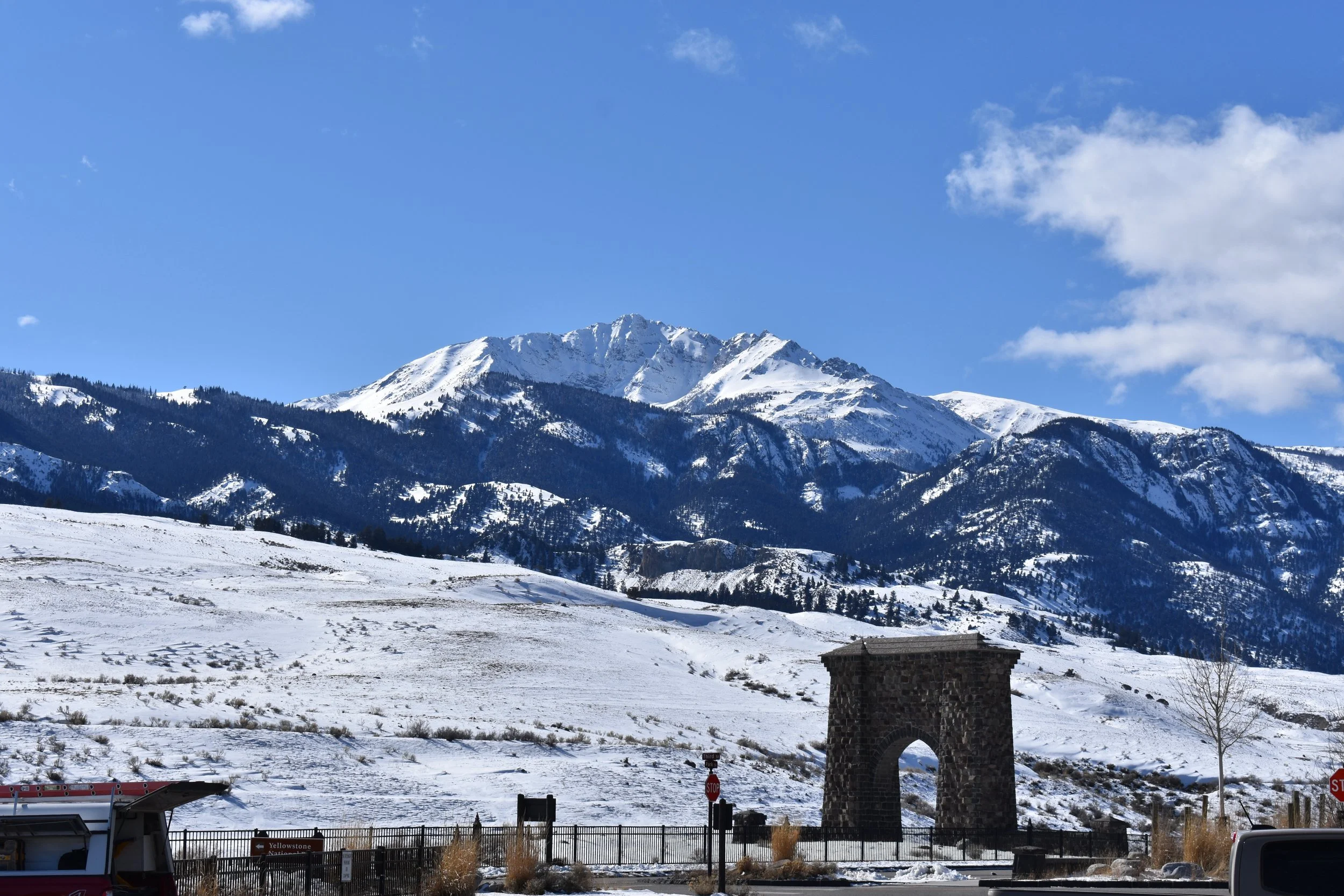
Where Exactly Is Gardiner, and How Do You Get There?
Gardiner is a census-designated place in , located at the northern tip of Yellowstone National Park where the Yellowstone River exits the park and begins its run through Paradise Valley.
Driving distances from Gardiner:
: 54 miles north, approximately 50 minutes via US-89 through Yankee Jim Canyon and Paradise Valley
Bozeman: 78 miles, approximately 1 hour 30 minutes via US-89 to I-90
(inside Yellowstone): 5 miles south, about 10 minutes
Helena: approximately 170 miles, about 3 hours
The drive from Livingston to Gardiner on US-89 is one of the most scenic commutes in Montana, but it is also one of the most demanding. The road follows the Yellowstone River through , a narrow stretch with steep grades, winding turns, and no passing lanes in places. In winter, ice and snow add time and risk. This is not a casual commute, and anyone considering Gardiner needs to be honest about how often they will need to make the drive to Livingston or Bozeman.
What Is the Real Estate Market Like in Gardiner?
Gardiner's real estate market is unlike any other in Park County. The inventory is small, the prices are high relative to the town's size, and the constraints on new development are significant.
, with a median price per square foot of approximately $436 in listing-site data. But those numbers deserve context. Gardiner has so few listings at any given time (often fewer than 20) that a handful of high-end properties can shift the median dramatically. A modest three-bedroom house might list for $450,000, while a riverfront property with acreage pushes well past $1 million. The median tells you what is on the market, not what a typical home costs.
ran around 108 days in mid-2025, which is longer than the Park County average. Properties in Gardiner sell to a specific buyer, someone who wants to be at the park entrance, and that buyer pool is smaller than the one shopping in Livingston or Bozeman.
The development constraint that shapes everything: Gardiner is surrounded by to the north and east, and Yellowstone National Park to the south. Very little private land is available for new development. administers subdivision and zoning regulations, and floodplain restrictions along the Yellowstone River corridor further limit where new construction can go, especially after the 2022 flood.
This scarcity cuts two ways. It keeps the community small and protects the character of the town. It also means that when good properties come to market, they do not stay long, and replacement inventory is slow to appear.
What Services Does Gardiner Actually Have?
This is where honesty matters most. Gardiner has the essentials, but "essentials" in Gardiner means something different than it does in Livingston or Bozeman.
Groceries: at 701 Scott Street is the only full-service grocery store. It carries produce, fresh meat, frozen foods, a bakery, and a deli. It is adequate for daily needs but limited compared to what buyers from larger cities are used to. The nearest big-box grocery options (Walmart, Costco) are in Bozeman, 78 miles away.
Gas: Two stations: Town Station Conoco and Gardiner Sinclair.
Restaurants and shops: Gardiner has a handful of restaurants, bars, coffee shops, and gift shops. The selection is oriented toward tourism and thins out in winter when some businesses close for the season.
Medical care: There is no hospital, emergency room, or urgent care clinic in Gardiner. The closest medical facility is the , five miles south inside Yellowstone, which handles routine care, X-rays, and emergencies during business hours. For anything beyond that, is a 25-bed critical access hospital 54 miles north. Serious trauma or specialty care means a trip to at 78 miles. If you have a medical condition that requires regular specialist visits, Gardiner requires planning around distance.
Schools: serve roughly 137 students across grades K-12 in recent enrollment counts, all in the same building complex. Class sizes are very small. Enrollment and performance data for the high school are available through Public School Review for anyone who wants to research it directly. The school system is small and consistent, but the social world for kids is limited by the population.
Internet: is limited. Only about half of Gardiner households have a wired broadband connection available, per FCC broadband availability data. Many residents rely on Starlink, T-Mobile home internet, or fixed wireless providers like Wispwest. If your work requires reliable high-speed internet, test the specific property before you commit. Cell service exists but can be spotty in the canyon and surrounding terrain.
What Is It Like Living Next to Yellowstone Year-Round?
The to regular vehicle traffic. The road from Gardiner through Mammoth Hot Springs to Cooke City is maintained for winter driving. Every other Yellowstone entrance closes seasonally. This makes Gardiner unique among gateway communities.
In practical terms, that means Gardiner residents can drive into Yellowstone in January. They can watch elk and bison from the car on a Tuesday morning in February. They can cross-country ski or snowshoe in the Lamar Valley when the rest of the park's roads are closed to wheeled vehicles. The access is extraordinary, and it never gets routine for the people who live here.
But proximity to the park also means proximity to . The North Entrance is the second-busiest gate after West Yellowstone. During peak season (June through September), Gardiner's population effectively multiplies as tourists fill the hotels, restaurants, gas stations, and the single main road through town. A found that 77% of Gardiner residents agree the overall benefits of tourism outweigh the negatives. But 61% also believe the town is becoming overcrowded due to tourists, a number that has nearly doubled from earlier surveys.
The seasonal rhythm is the defining feature of life in Gardiner. Summer is busy, loud, and profitable for anyone in the tourism business. Winter is quiet, close-knit, and sometimes isolating. Most year-round residents describe this cycle as one of the things they love about the town, but it is not for everyone.
What About the Economy and Employment?
Gardiner's economy is tied to Yellowstone National Park. That dependence is both the town's strength and its vulnerability.
Most jobs in Gardiner are in hospitality (lodging, restaurants, bars), guiding and outfitting (fishing, rafting, horseback, hunting), retail, and National Park Service seasonal employment. , the park's official nonprofit partner, is headquartered in Gardiner. The , which houses the park's archives and museum collections, is also located in town.
Many of these positions are seasonal, running from May through October. Year-round employment options are limited. Some residents work remotely (internet permitting), commute to Livingston, or piece together multiple seasonal income sources. Others run small businesses that cater to both tourists and locals.
The seasonal economy means that housing demand from seasonal workers competes with the already-tight inventory, pushing rents up during summer months. Some property owners in Gardiner generate significant short-term rental income during peak season, which is worth considering for buyers who want their property to contribute to carrying costs.
What the 2022 flood revealed: When closed the North Entrance from June 13 through October 30, 2022, Gardiner lost its entire peak tourism season. The economic impact on a community with no fallback industry was severe. The town survived, recovered, and the infrastructure has been rebuilt with federal assistance. But the event was a reminder that a single-industry economy carries concentration risk that buyers should understand.
What Buying Here Often Looks Like
Picture a common version of the Gardiner buyer: a couple who had been visiting Yellowstone every summer for fifteen years, always through the North Entrance, always staying in Gardiner. When the husband retired from engineering, they started looking at property. Their budget was $650,000.
They found a three-bedroom house on a half-acre lot near the edge of town, listed at $625,000. No river frontage, no dramatic views, but a solid house with a garage, a fenced yard, and a five-minute drive to the Roosevelt Arch. They closed in 90 days.
What surprised them was the winter. They had only visited in July. Their first January in Gardiner, they drove into Yellowstone on a weekday morning and saw a wolf pack in the Lamar Valley with no one else on the road. That was the moment they knew they had made the right call.
What challenged them was the distance. A dental appointment meant a round trip to Livingston (108 miles). A Costco run was 156 miles. When the wife had a medical scare in February, the ambulance took her to Livingston HealthCare, 54 miles on a snowy highway. She was fine, but they installed a satellite emergency communicator the following week.
They would make the same decision again. But they tell friends who ask about Gardiner to visit in January before they buy, not July.
What Recreation Exists Beyond the Park?
Gardiner is not just a park entrance. The surrounding landscape offers year-round recreation that stands on its own.
Fishing: The runs through Gardiner. It is the longest undammed river in the lower 48 states and a blue-ribbon trout fishery holding rainbow, brown, and native Yellowstone cutthroat trout. Multiple fishing outfitters operate from Gardiner, and the river is accessible from town.
Rafting: The Yellowstone River offers Class II-III whitewater near Gardiner. and other outfitters run guided trips from town through the summer season.
Hiking and wilderness access: The is directly accessible from the Gardiner area. This is some of the most rugged and least-visited wilderness in Montana, with peaks over 12,000 feet, alpine lakes, and backcountry that can go days without seeing another person.
Hunting: Hunting access is available on surrounding National Forest and wilderness lands. Outfitters based in and near Gardiner guide elk, mule deer, and backcountry hunts in the Absaroka Range.
Winter recreation: Cross-country skiing, snowshoeing, and snowcoach tours into Yellowstone's interior. The Lamar Valley in winter is one of the best wildlife viewing corridors in North America.
What Are the Honest Tradeoffs?
Distance from services. Gardiner is 54 miles from the nearest hospital, 78 miles from the nearest big-box store, and a full day's effort for any errand that requires more than what the local market carries. For buyers who are self-sufficient and plan ahead, this is manageable. For buyers who are accustomed to running out for what they need, it is a constant friction.
Seasonal economic dependence. The town's economy rises and falls with Yellowstone visitation. A bad wildfire season, a government shutdown, or another flood can wipe out an entire peak season. The 2022 flood proved this is not hypothetical.
Limited housing inventory and high prices. Gardiner's geographic constraints (park to the south, National Forest to the north and east, river floodplain through the middle) mean there is very little room for new development. What exists is expensive relative to what you get in square footage and amenities. A $600,000 house in Gardiner would cost $350,000 in many other Montana towns.
Winter driving. The 54-mile drive to Livingston through Yankee Jim Canyon is scenic in July and demanding in January. Ice, snow, wind, and narrow road sections are normal winter conditions. Some winter days, the smart decision is to stay home.
Tourist impact on daily life. From June through September, the town belongs to the visitors as much as the residents. Traffic on the main road backs up. Restaurants fill with tourists. The pace of daily life changes. Most residents accept this as the cost of living where they live, but it is a real factor in quality of life during peak season.
Internet and connectivity. Reliable broadband is not guaranteed. Remote workers should verify coverage at the specific property, not assume town-wide availability.
What you get in return: Year-round Yellowstone access that no other community can match. A river running through town. Wilderness out the back door. A community of roughly 900 people who chose this life deliberately and tend to look out for each other. January mornings with wolves in the Lamar Valley and nobody else on the road.
The Bottom Line
Gardiner is not a suburb with park access. It is a small, remote, seasonal community at the edge of something extraordinary. The buyers who thrive here are the ones who understand what they are giving up (convenience, services, inventory, connectivity) and have decided that what they are gaining (the park, the river, the wilderness, the community) is worth it.
If you are considering Gardiner, visit in winter. Drive the canyon road in January. Walk through town when the tourists are gone and the restaurants are closed. If that version of Gardiner appeals to you, the summer version will be a bonus, not the reason you bought.
Next Steps
If Gardiner is on your list, start with these questions:
What is the primary purpose for the property (year-round residence, seasonal home, short-term rental, retirement)?
How dependent is your daily life on services that require a trip to Livingston or Bozeman?
Does your work require reliable broadband, and have you verified coverage at the specific property?
Are you comfortable with the 54-mile canyon drive to the nearest hospital?
Legacy Lands Real Estate knows the Gardiner market and the corridor from Livingston south. Call us at (406) 848-9400.
Frequently Asked Questions
Is the North Entrance to Yellowstone open year-round?
Yes. The North Entrance at Gardiner is the only Yellowstone entrance open to regular vehicle traffic year-round. The road from Gardiner through Mammoth Hot Springs to Cooke City is maintained for winter driving. All other Yellowstone entrances close seasonally, typically from November through April or May.
How far is Gardiner from Livingston and Bozeman?
Gardiner is 54 miles from Livingston (approximately 50 minutes via US-89 through Yankee Jim Canyon) and 78 miles from Bozeman (approximately 1 hour 30 minutes). Mammoth Hot Springs inside Yellowstone is only 5 miles south of Gardiner.
Is there a hospital in Gardiner?
No. The closest medical facility is the Mammoth Clinic, 5 miles south inside Yellowstone, which handles routine care and emergencies during business hours. For hospital-level care, Livingston HealthCare is 54 miles north, and Bozeman Health Deaconess Regional Medical Center is 78 miles away.
What are property prices like in Gardiner?
The median home list price in mid-2025 was approximately $872,000, but Gardiner's market is very small and a few high-end listings can shift the median significantly. Limited developable private land (the town is surrounded by National Forest and national park) keeps inventory tight and prices elevated relative to other Park County communities.
What do people do for work in Gardiner?
Most employment is tied to Yellowstone tourism: hospitality, guiding and outfitting, retail, and National Park Service seasonal positions. Some residents work remotely, commute to Livingston, or run small businesses. Many jobs are seasonal (May through October), and year-round employment options are limited.
How did the 2022 flood affect Gardiner?
The June 2022 flood closed the North Entrance to Yellowstone from June 13 through October 30, eliminating Gardiner's entire peak tourism season. The flood damaged roads, water infrastructure, and park facilities. Federal funding has supported rebuilding, and the infrastructure has been repaired, but the event highlighted the economic vulnerability of a single-industry gateway community.
Can I get reliable internet in Gardiner?
Broadband availability is limited. Only about half of households have a wired connection available. Many residents use Starlink satellite internet, T-Mobile home internet, or fixed wireless providers. Coverage varies significantly by location within the community. Verify internet service at the specific property before purchasing.
Is Gardiner a good place for short-term rentals?
Gardiner's proximity to the North Entrance makes it attractive for vacation rentals, particularly during the May-through-September peak season. Some property owners generate significant rental income during these months. However, check Park County's current regulations on short-term rentals and factor in the seasonal nature of the demand when projecting income.
This article is general information, not legal, tax, or accounting advice. Legacy Lands LLC is a real estate brokerage, not a law firm or an accounting firm, and nothing here should be treated as advice from one. Laws, tax rules, and programs change, and they vary by situation. Before acting on anything covered here, sit down with a licensed attorney and/or a certified public accountant who can look at your specific circumstances.
Legacy Lands Real Estate is a Montana brokerage with offices in Emigrant and White Sulphur Springs, specializing in ranch, land, and mountain properties across Park County and southwest Montana. Our team of brokers and agents, many of them multi-generational Montanans, brings firsthand experience in ranching, land stewardship, and rural property to every transaction. Every piece of land has its own history. We help buyers and sellers find the right match. Contact us at (406) 848-9400 or visit legacylandsllc.com.
Legacy Lands Real Estate
1106 West Park St., Suite 20 #169
Livingston, MT 59047
(406) 848-9400
legacylandsllc.com
